
01
Visual source of truth
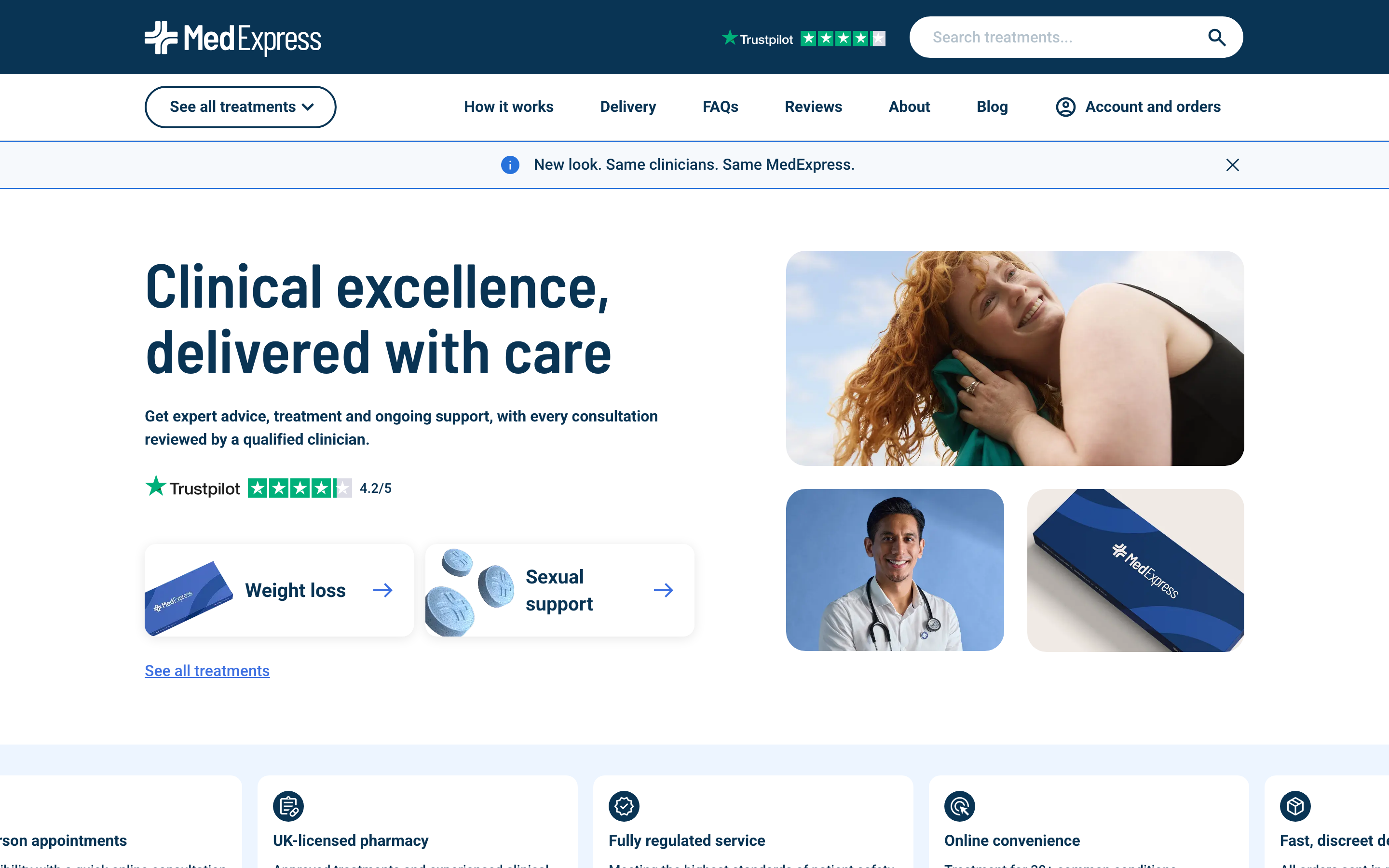
I rebuilt MedExpress rebrand pages as a 60-component HTML/CSS reference so the team and the tools could work from the same inspected interface.
The static page is available, but the Clyde API is not reachable from this view. Run npm run dev locally or deploy the API functions to unlock the prompt.
Scroll down to find out more...
Principal-level AI product architecture
I design the layer around AI that makes it usable: source architecture, interfaces, model boundaries, and evaluation loops. The work here is recent, shipped, and inspectable: Clyde, a MedExpress design memory, and a regulated competitor-intelligence product.
Live product work
Clyde sits inside the portfolio because the work is not just the write-up. It shows the same decisions in use: what the system can see, how answers are grounded, what the interface makes explicit, and where the boundaries sit.
On-screen craft
The architecture matters, but so do hierarchy, pacing, states, and restraint. These artifacts show how that work lands in something a team can review, use, and trust.
I rebuilt MedExpress rebrand pages as a 60-component HTML/CSS reference so the team and the tools could work from the same inspected interface.
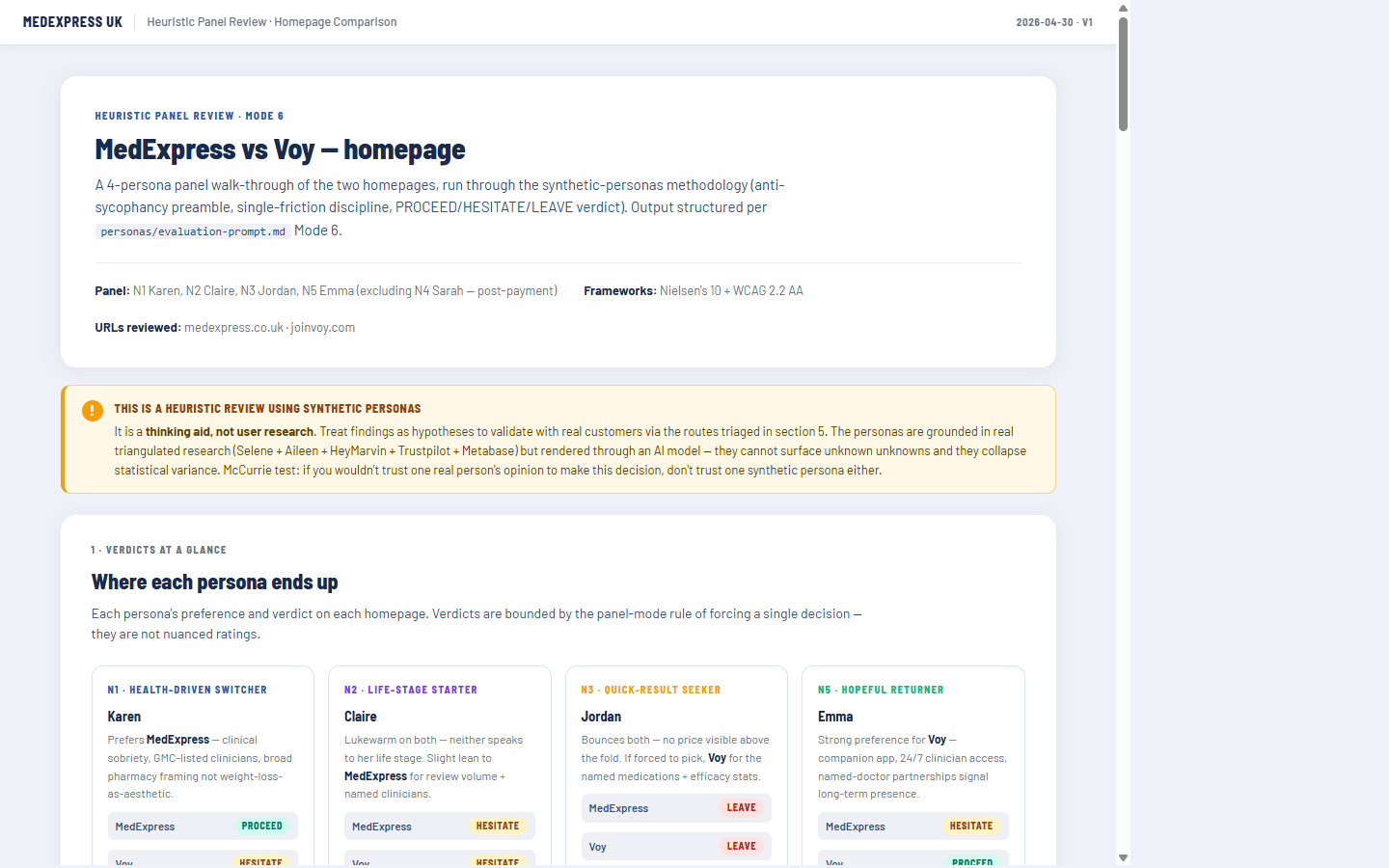
Competitor findings are presented as reviewable product evidence, with persona context, criteria, screenshots, and decision cues rather than a loose deck.
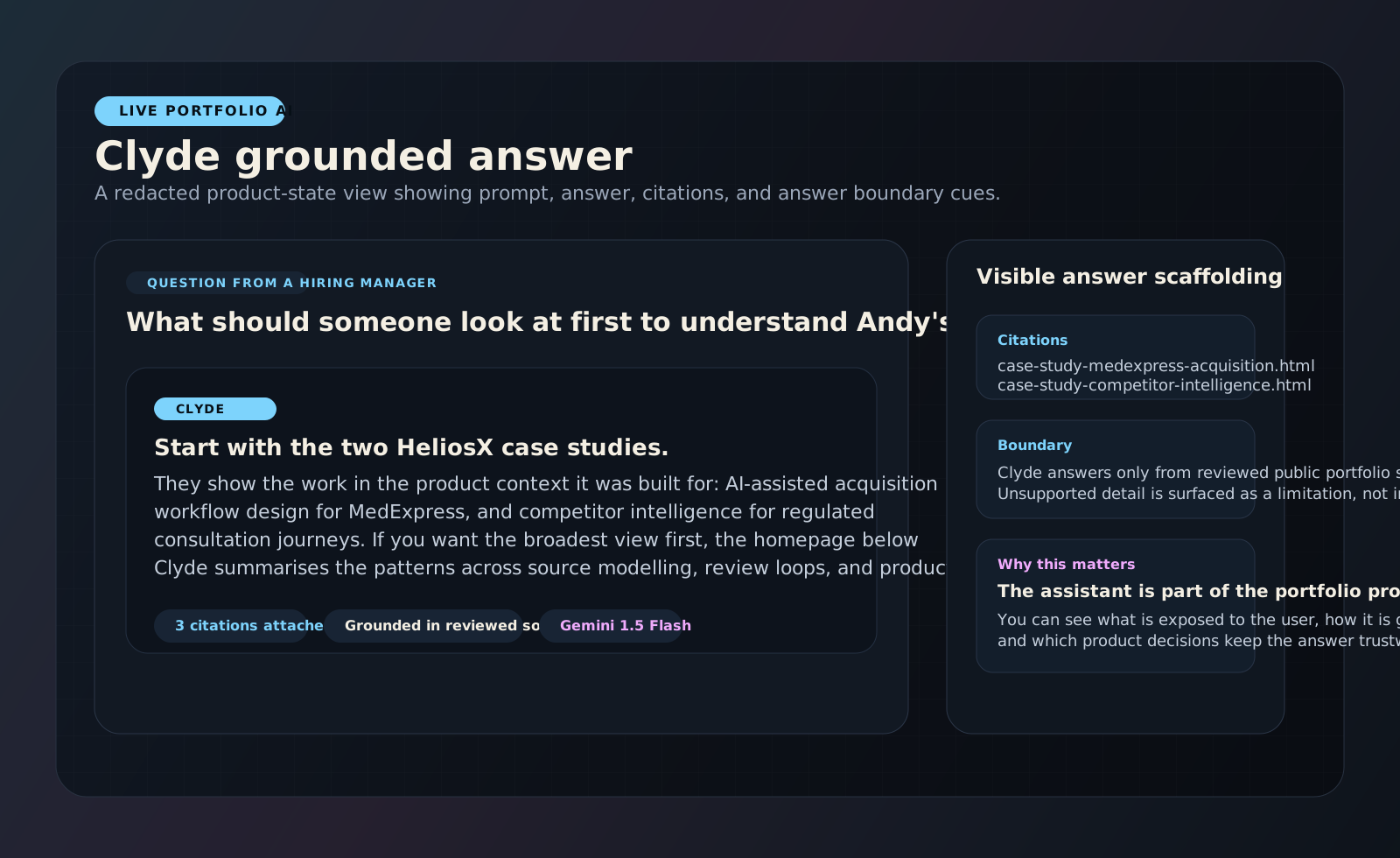
The assistant surface shows the product decisions directly: grounded answers, visible citations, and clear answer boundaries rather than hidden orchestration.
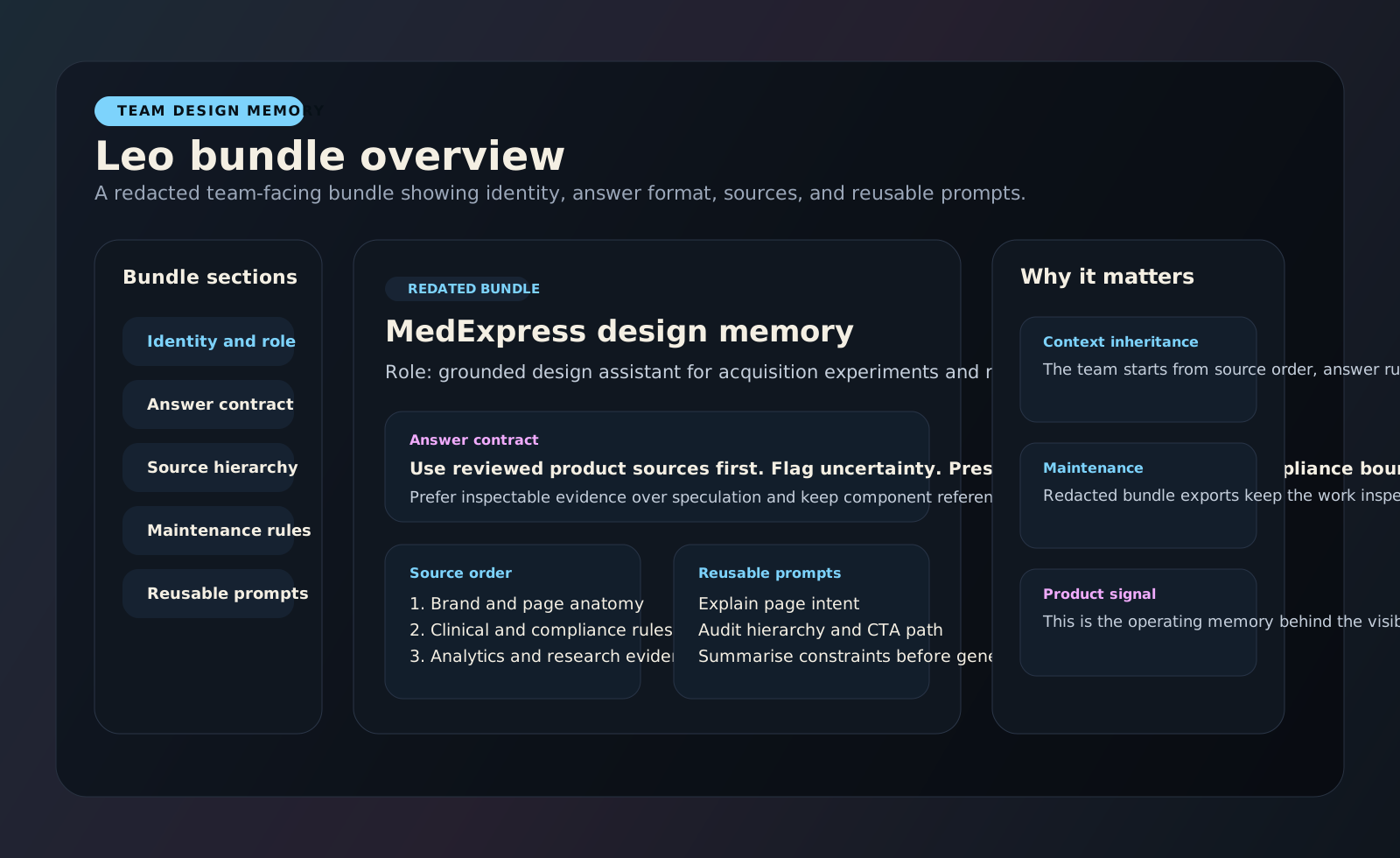
The Leo bundle captures the reusable operating memory behind the work: source order, answer rules, maintenance constraints, and prompts the team could share.
Shipped outcomes
These are concrete scale signals, not inflated business claims. They show the shape of the work: clearer ground truth, faster iteration, and AI systems teams could actually use with confidence.
Case studies
Output / RAG system, Turnstile protection, Upstash Redis API quotas
I designed and built Clyde, a principal-level AI assistant that demonstrates model-in-the-loop interfaces, BM25 and vector retrieval fusion, quota guardrails, and server-side safety boundaries.
Output / Design memory, Leo bundle, prototype gate
I owned the product architecture for a system that turned scattered brand, clinical, analytics, research, and component knowledge into reusable design infrastructure for humans and AI agents.
Output / Intelligence dashboard, model boundaries, crawler system
I designed the system and operator surface for repeatable competitor intelligence: personas, page hashes, answer maps, Gemini form-solving, route persistence, ethical stops, and dashboard review.
Practice
I am most useful where the work is ambiguous, technical, and quality-sensitive. The model is only one piece; the real design problem is building the system a team can use, inspect, and trust.
I shape source models, retrieval paths, model roles, guardrails, and the experience people actually use.
I turn research, analytics, compliance, and stakeholder decisions into durable source systems for teams and agents.
I work directly in code, prototypes, RAG pipelines, prompt contracts, dashboards, and design-to-code workflows.
I keep visual quality, interaction clarity, clinical safeguarding, accessibility, and trust in the same decision loop.
About
I design AI-enabled products by connecting customer needs, business pressure, source quality, technical constraints, and the experience that has to carry the decision. My recent work has focused on MedExpress UK and HeliosX, across acquisition, consultation, checkout, clinical review, retention, design-system memory, RAG assistants, and competitor intelligence.
The thread through the work is simple: clarify the messy problem before the interface appears, build an experience that makes the decision inspectable, and leave behind a system that lets the next team start from a higher floor.